Cilok: Indonesia’s Chewy Traditional Street Food
Discover cilok, Indonesia’s chewy traditional street food, now reimagined with healthier corn vermicelli ingredients for a nutritious modern snack.

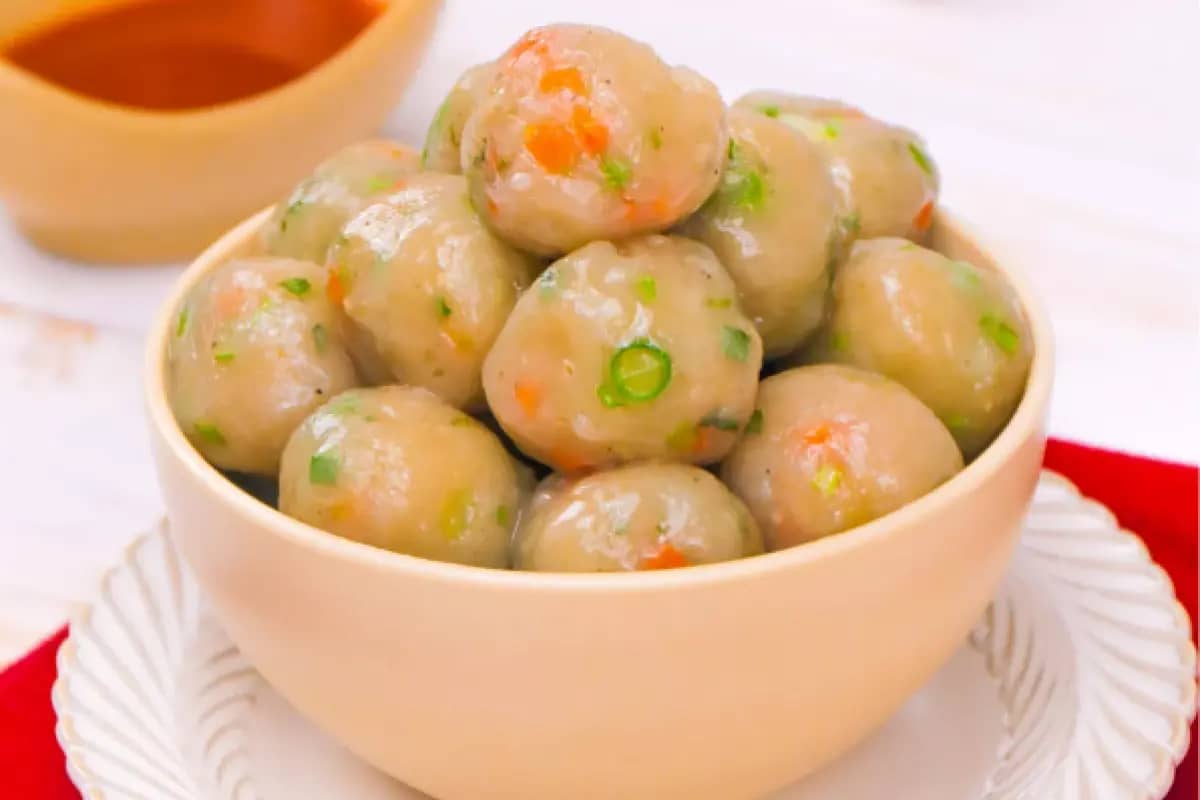
JAKARTA – Cilok, an abbreviation of “aci dicolok,” is one of Indonesia’s most popular traditional snacks, especially in West Java. The term refers to skewered tapioca dough balls, with “aci” meaning tapioca flour in Sundanese.
Known for its chewy texture and savory taste, cilok is typically shaped into small balls, boiled or steamed, and served with delicious condiments such as peanut sauce, chili sauce, or sweet soy sauce. This affordable snack has become a staple in Indonesian street food culture, loved by children and adults alike.
A Popular Street Snack Across Indonesia
Cilok is widely sold by street vendors, particularly near schools, markets, and residential areas. Vendors often serve cilok hot and fresh, making it an irresistible snack for many Indonesians.
Traditional cilok is simple, made from tapioca flour mixed with garlic, salt, and water. Despite its delicious taste and satisfying texture, conventional cilok is often viewed as less nutritious because it mainly consists of carbohydrates and may include artificial seasonings.
According to a recipe featured by TIMES Indonesia, cilok can now be prepared in a healthier way using corn vermicelli, or bihun jagung, as an alternative base ingredient.
This innovation offers improved nutrition while preserving cilok’s familiar chewy consistency. Corn vermicelli contains more fiber, is gluten-free, and has a lower glycemic index compared to pure tapioca flour, making it a healthier choice for families, especially children.
Nutritious Ingredients and Preparation
In this healthier version, softened corn vermicelli is combined with vegetables such as carrots, cabbage, and celery. Protein sources like minced chicken or shrimp are also added to enhance nutritional value. A smaller amount of tapioca flour is still used to maintain the snack’s signature elasticity.
The mixture is seasoned with garlic powder, broth powder, salt, and pepper before being shaped into small balls. These are then steamed for about 30 minutes, resulting in a wholesome snack that is both tasty and nutritious.
This modern adaptation of cilok demonstrates how traditional Indonesian foods can evolve to meet healthier lifestyle demands without sacrificing their authentic appeal. By incorporating more nutritious ingredients, cilok remains relevant for modern consumers while preserving its cultural significance.
Cilok is more than just a street snack—it represents Indonesia’s creativity in transforming simple ingredients into beloved comfort food. Whether enjoyed in its classic form or through healthier innovations, cilok continues to be an enduring part of Indonesia’s rich culinary heritage, proving that traditional food can adapt while maintaining its timeless charm. (*)
Simak breaking news dan berita pilihan TIMES Indonesia langsung dari WhatsApp-mu!
Klik 👉 Channel TIMES Indonesia
Pastikan WhatsApp kamu sudah terpasang.