
Carving Stories in Shadow: A Young Dalang’s Cultural Path
Discover the inspiring journey of Ki Satria Siswo Buwono, a young dalang from Malang preserving wayang kulit tradition while blending ancient Javanese culture with modern relevance.
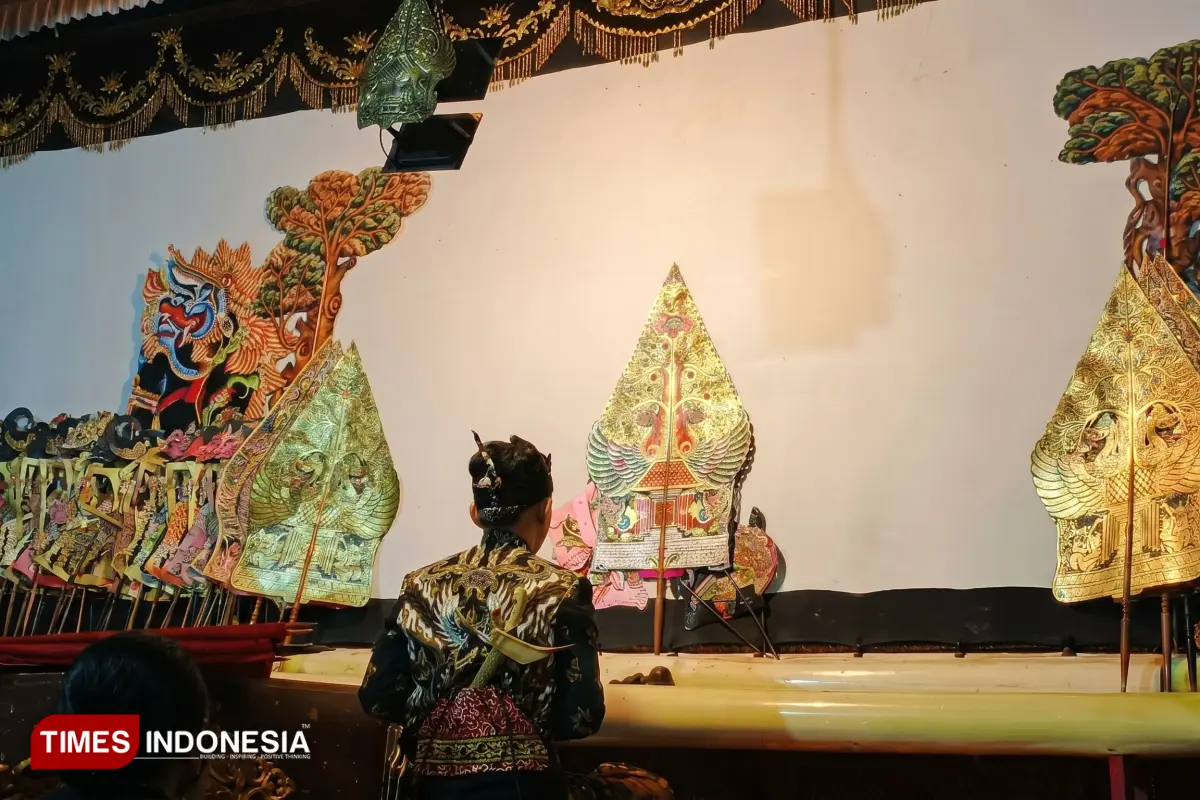
MALANG – In the timeless world of Javanese tradition, the role of a dalang extends far beyond storytelling. They have a sacred duty of preserving culture, wisdom, and heritage. Among the new generation embracing this noble path is Ki Satria Siswo Buwono, a talented young dalang from Malang who is passionately keeping the art of wayang alive while adapting its profound narratives for today’s audiences.
Ki Satria Siswo Buwono is a young dalang from Kepanjen, Malang, who has had the opportunity to preserve this rich cultural legacy. Born in 2001, he developed an interest in wayang from childhood, drawn to its distinctive visual form. Initially, he had little knowledge of the art form, he simply manipulated the wayang as any child might play with dolls.
Over time, he deepened his knowledge, studying everything from the histories of wayang characters, the suluk (musical accompaniment), and the classical narratives themselves. After completing secondary school, he began serious learning under a respected cultural mentor from Malang, the master dalang Ki Gondo Buwono.
Mastering the Sacred Knowledge of a Dalang
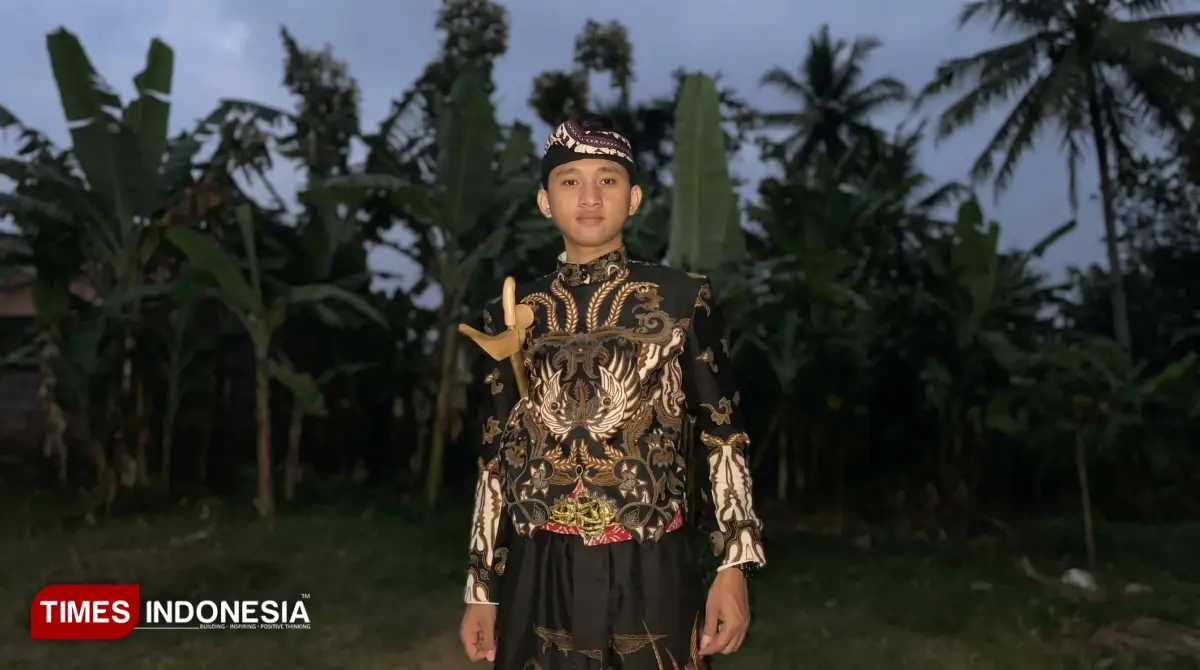
While pursuing a law degree at Muhammadiyah University of Malang, he continued his practice. Aspiring dalang must first master bahasa jawa kawi, the classical Old Javanese language used in wayang performances.
This language carries a profound poetic resonance and is essential to creating the authentic atmosphere of a wayang performance. From the suluk (the dalang's sung passages), janturan (spoken narration) and ceremonial chants, all are delivered in this ancient tongue. According to Ki Satria, mastering this language is the gateway to understanding the rich narratives of the wayang tradition.
Beyond language, a dalang must become deeply familiar with various classical texts and their narratives. These sources provide the foundation and inspiration for creating performances.
The dalang is not merely a storyteller but a creative artist adapting, reimagining, and sometimes rewriting stories for their audience. In a sense, they function as both director and script writer.
Keeping Ancient Stories Relevant in Modern Times
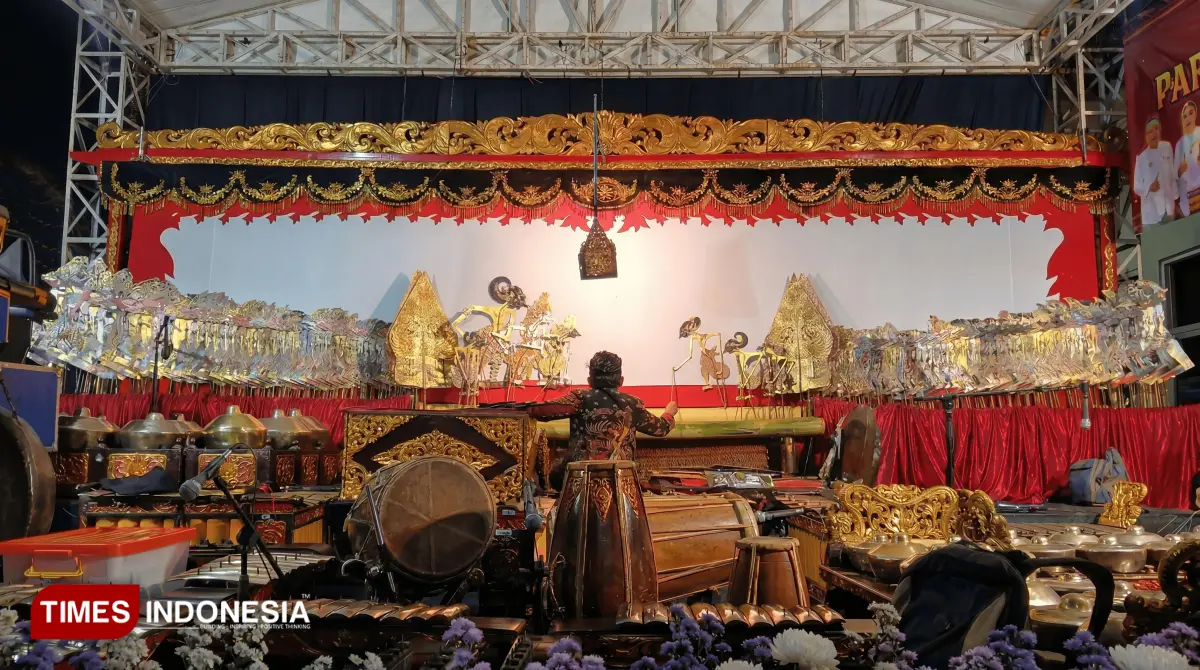
As a creative artist, the dalang must ensure that ancient narratives remain relevant to contemporary audiences. How can stories from centuries past speak meaningfully to modern viewers? According to Ki Satria, the best stories are those that resonate with their audience.
Being a young dalang is demanding. Beyond being recognized as an artist, one must also serve as a cultural role model. In these communities, the dalang is regarded as an exemplar and source of inspiration, respected for their ability to convey moral lessons through wayang narratives and valued as a guardian of inherited traditions.
"Times are changing. As cultural practitioners, we must stay relevant if we want to create art that endures," Ki Satria reflects (30/4/2026).
Preserving Malang’s Wayang Heritage for Future Generations
Today, while working at kantor desa as officer, Ki Satria leads a paguyuban wayang (a wayang collective group) with fellow artists from Malang. They gather weekly to rehearse, focusing particularly on wayang gagrak malangan, the distinctive Malang style of wayang.
Beyond rehearsals, the collective actively performs at various events from traditional ceremonies like bersih desa, family celebrations such as weddings, and performances at institutional gatherings.
As Ki Satria continues to perform across different stages, he remains a dedicated student of his craft. For him, being a young dalang is a privilege it represents how young people can learn and perpetuate a cultural inheritance. (Muhammad Kamal Fasya)
Simak breaking news dan berita pilihan TIMES Indonesia langsung dari WhatsApp-mu!
Klik 👉 Channel TIMES Indonesia
Pastikan WhatsApp kamu sudah terpasang.
